Unlocking DevOps: The Secret to Modern Software Development
am dynamic DevOps Engineer and Web Developer with 4+ years of experience in automation, CI/CD pipelines, and infrastructure optimization. I possess strong skills in PHP, AngularJS, MySQL, AWS, Linux, GIT, Jenkins, and Terraform. My goal is to leverage my expertise in DevOps methodologies and cloud technologies to drive innovation and efficiency across projects, ensuring timely delivery and high-quality software products.
What is DevOps?
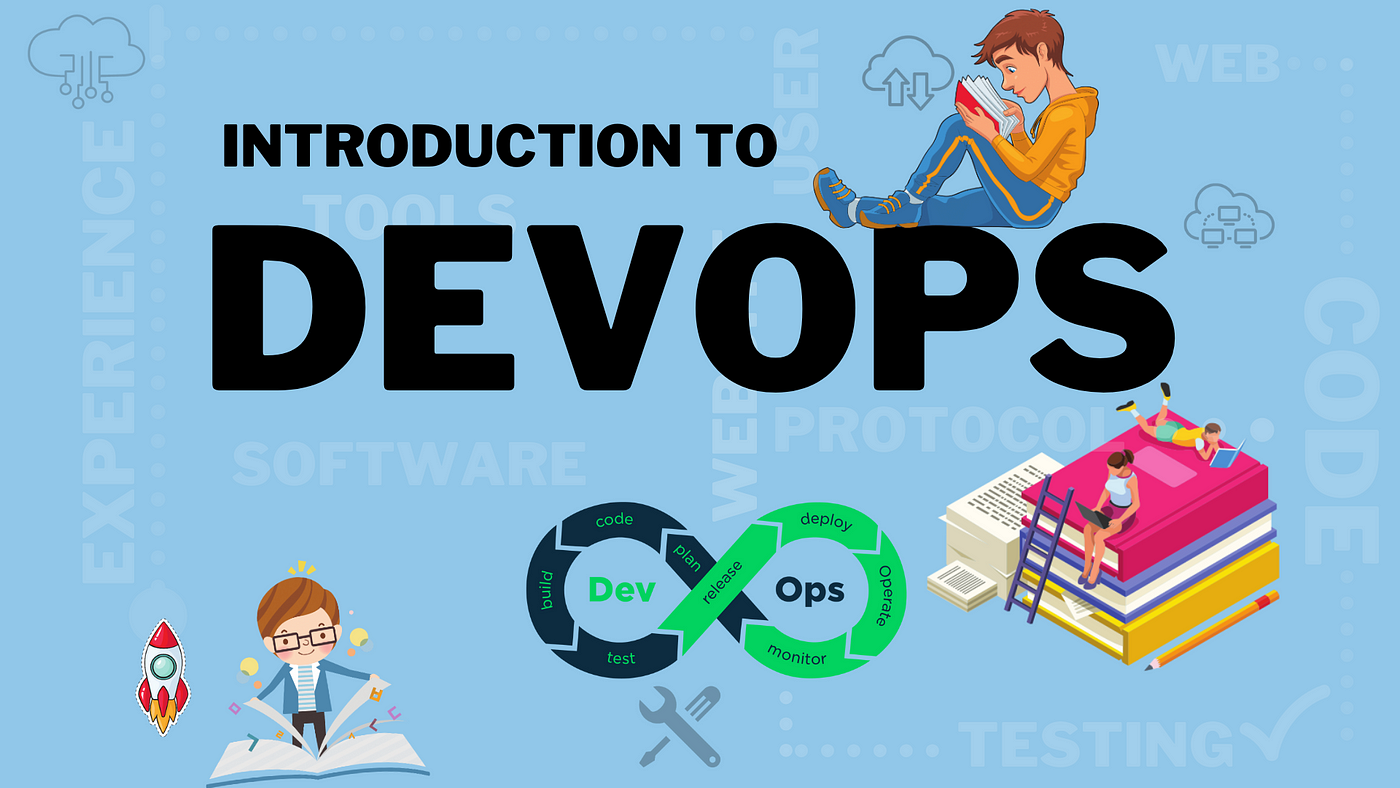
DevOps is a combination of the two words “development” and “operations.
DevOps is a combination of practices, tools, and a cultural philosophy that helps organizations deliver applications and services faster than traditional software development processes.
It bridges the gap between development (Dev) and operations (Ops) teams, promoting better communication, collaboration, and integration.

Key Points:
Collaboration: DevOps brings together development and operations teams to work closely.
Speed: It allows for faster development and deployment of applications.
Quality: Continuous integration and continuous deployment (CI/CD) practices improve software quality.
Efficiency: Automation tools streamline repetitive tasks, freeing up time for more important work.
What is Automation, Scaling, and Infrastructure?
1) Automation :
Automation in DevOps involves using tools and scripts to perform repetitive tasks automatically, without human intervention.
This ensures consistency, reduces errors, and speeds up processes, making the development and deployment of software more efficient.
Key Areas of Automation in DevOps
1) Automated Testing: Running tests automatically every time code changes are made to ensure new code doesn’t break the existing functionality.
Ex .When a developer submits new code for a mobile app, automated tests run to check if the new code causes any issues. If any tests fail, the developer is notified immediately.
2) Continuous Integration and Continuous Deployment (CI/CD): Automatically integrating code changes into a shared repository several times a day and deploying it to production.
Ex. A website’s new features are automatically deployed to the live site after passing all tests, ensuring that users always have access to the latest updates.
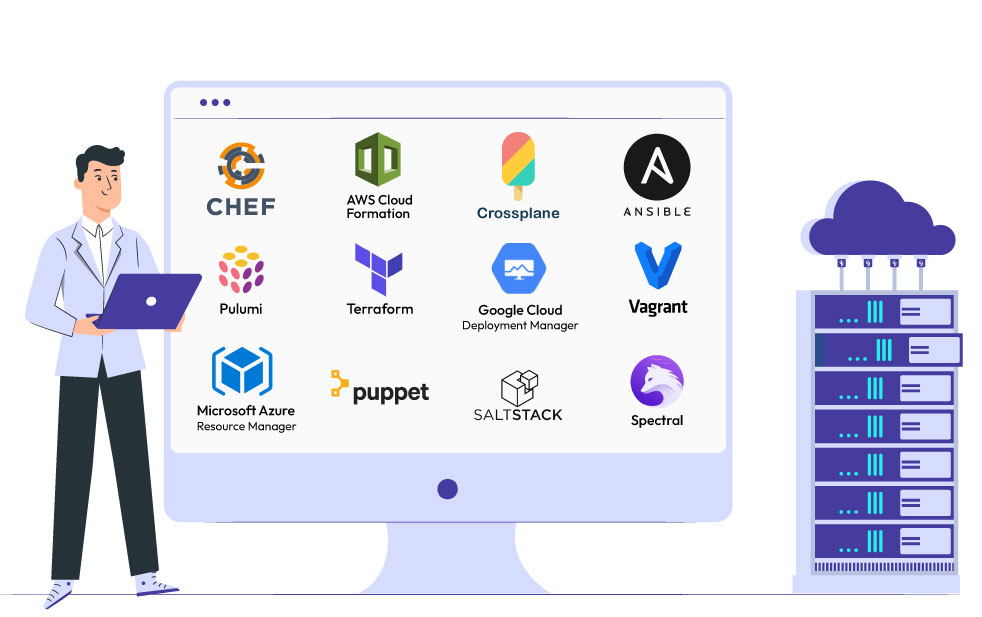
3) Infrastructure as Code (IaC):Managing and provisioning computing infrastructure through machine-readable scripts rather than physical hardware setup.
Ex. Using a script to set up servers and databases on AWS, which can be run automatically whenever new infrastructure is needed.
4) Configuration Management: Automatically maintaining and configuring systems to ensure they are in the desired state.
Ex. Tools like Ansible or Chef can automatically configure servers with the required software and settings, ensuring consistency across environments.
Example: An online retailer wants to update its website with a new feature.
| Without Automation | With Automation |
| Developers write the code. | Developers write the code and push it to the repository. |
| The code is manually tested by QA. | Automated tests run immediately to check for issues. |
| After testing, the code is manually deployed to the live site. | If tests pass, the code is automatically built and deployed to the live site. |
2) Scaling
Scaling refers to adjusting the capacity of IT resources to handle varying amounts of workload.
It ensures that applications run smoothly under different levels of demand.
Types of Scaling :
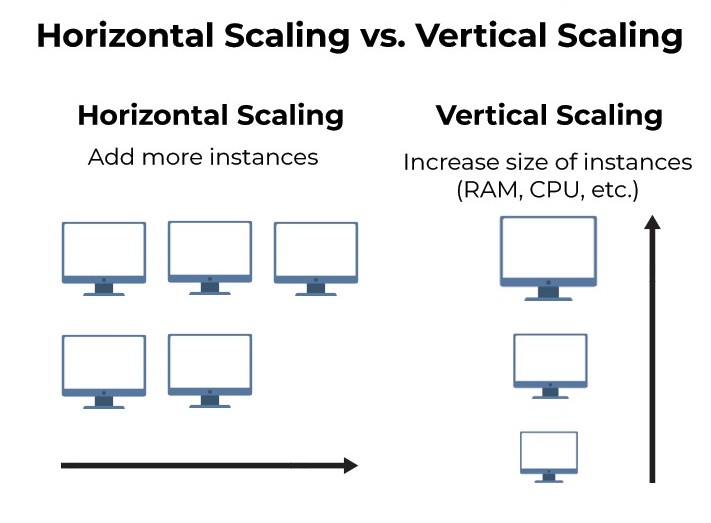
Vertical Scaling (Scaling Up): Increasing the capacity of existing servers by adding more resources like CPU, memory, or storage.
Ex: Upgrading a server’s RAM from 16GB to 32GB to handle more processes.
Horizontal Scaling (Scaling Out): Adding more servers to distribute the load across multiple machines.
Ex: Adding additional web servers to handle increased web traffic during a sale event.
Why is Scaling Important?
Performance: Ensures applications can handle high traffic without slowing down or crashing.
Cost Efficiency: Allocates resources based on demand, preventing over-provisioning or under-provisioning.
Reliability: Maintains service availability during peak times or unexpected traffic spikes.
Example: An online store experiences a huge increase in traffic during holiday sales.
| Without Scaling | With Scaling |
| The website becomes slow or crashes due to the sudden increase in visitors. | The system automatically detects the increase in traffic. |
| Customers face difficulties browsing and purchasing products, leading to lost sales. | Additional servers are provisioned (horizontal scaling) or existing servers are upgraded (vertical scaling) to handle the load. |
| The website remains responsive and available, providing a seamless shopping experience. |
Benefits:
Improved User Experience: Customers can browse and purchase without delays.
Increased Revenue: More visitors can complete purchases, boosting sales.
Cost Efficiency: Resources are scaled based on demand, avoiding unnecessary expenses during low-traffic periods.
3) Infrastructure
What is Infrastructure in DevOps?
Infrastructure in DevOps refers to the underlying framework that supports the development, deployment, and management of applications.
This includes servers, storage, networks, and other components necessary to run software and services.
Why is Infrastructure Important?
Foundation: Provides the necessary resources for applications to run.
Scalability: Allows for scaling resources up or down based on demand.
Reliability: Ensures that applications are available and performant.
Infrastructure as Code (IaC) :
IaC is a key practice in DevOps where infrastructure is managed and provisioned through machine-readable scripts rather than manual hardware configurations. This allows for automation and consistency.
IaC Tools:
Example: An e-commerce company needs to ensure its website is reliable and performs well during a major sale event.
Without Proper Infrastructure:
The website might crash due to high traffic.
Manual server configuration can lead to inconsistencies and errors.
Scaling the infrastructure to meet demand is slow and inefficient.
Security vulnerabilities due to inconsistent configurations.
With Proper Infrastructure:
Scalability:
- Example: Automatically adding more servers (horizontal scaling) to handle increased traffic during the sale.
Reliability:
- Example: Using load balancers to distribute traffic evenly across servers, preventing any single server from becoming overloaded.
Efficiency:
- Example: Using IaC to quickly and consistently provision new servers and configure them with the required software.
Security:
- Example: Implementing firewalls and secure access protocols to protect customer data.
Benefits:
Improved User Experience: The website remains responsive and fast, even during peak traffic.
Increased Sales: More customers can access the site and make purchases without issues.
Cost Efficiency: Resources are scaled based on demand, avoiding unnecessary expenses.
Enhanced Security: Protects sensitive customer data and maintains compliance with regulations.
Why DevOps is Important
DevOps is crucial for modern businesses as it enhances productivity, agility, and quality. Here’s why:
Faster Time to Market: CI/CD and agile development speed up delivery.
Improved Collaboration: Enhances teamwork and reduces conflicts.
Enhanced Quality: Automated testing and continuous monitoring improve reliability.
Increased Efficiency: Automation and IaC save time and reduce errors.
Scalability and Flexibility: Dynamically scales resources based on demand.
Cost Savings: Optimizes resource use and reduces downtime.
Improved Security: Integrates security practices into the workflow.
Enhanced Customer Satisfaction: Quickly responds to feedback.
Innovation and Competitive Advantage: Encourages experimentation and rapid market response.
In conclusion, DevOps, along with automation, scaling, and robust infrastructure, helps businesses respond quickly to market changes, improve product quality, and manage resources efficiently. By adopting DevOps, organizations can achieve a competitive edge and drive innovation.


